How to Save Energy and Reduce Your Electricity Bill
In WA, energy bills can spike whether you are cranking the heater in winter or running the air conditioner in summer.
A poorly insulated or draughty home is often the hidden cause.
The good news is that a few smart upgrades can make a big difference to your comfort and your budget, no matter the season.
Why Home Insulation Is Essential for Lower Power Bills
Insulation is one of the most effective ways to maintain a stable indoor temperature.
It helps retain warmth during winter. It also keeps the heat out during summer. This applies to your roof, walls, and underfloor areas. All of these can quickly lose or gain heat if left unprotected.
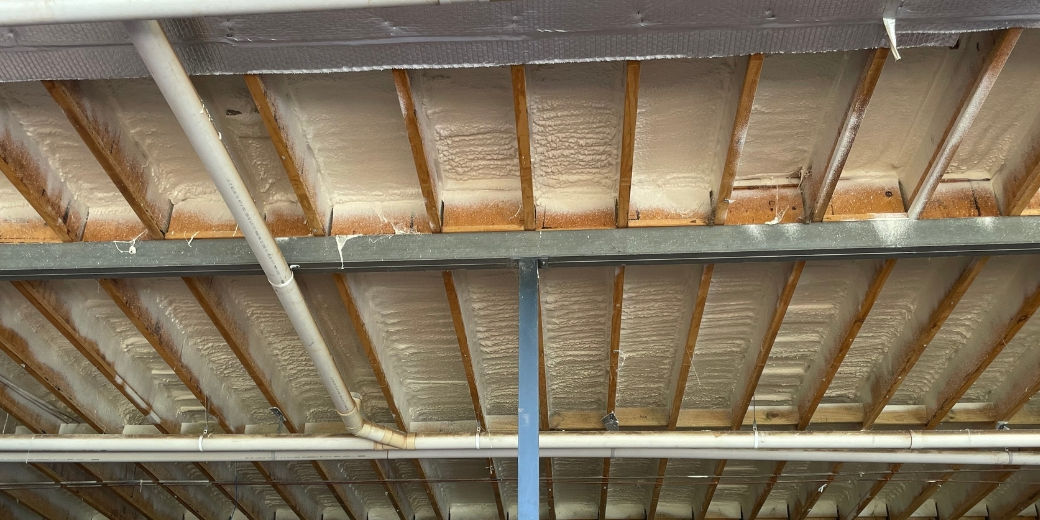
If your insulation is old, damaged, or missing in key areas, it may be time to upgrade. Installing modern, high-performance materials such as spray polyurethane foam can seal gaps, reduce airflow, and improve energy efficiency.
Read more: No Underfloor Insulation? You’re Paying for It Every Month
Easy Ways to Find and Seal Draughts
Even small gaps can make your heating or cooling systems work harder.
Check around vents, skirting boards, doors, and fireplaces for cold air in winter or hot air in summer.
Simple fixes like sealing gaps or adding door draught stoppers can make a noticeable difference in comfort and energy use.
Energy-Efficient Window Solutions for Your Home
Windows are one of the main points of heat transfer in a home. In winter, you may feel the chill radiating from them. In summer, they can let in excess heat.
To improve efficiency:
- Make sure windows close and seal properly.
- Consider double glazing or window films for better insulation.
- Use thick blinds or curtains to help regulate temperature indoors.
Seasonal Energy Efficiency Tips for WA Homes
- Use Heating and Cooling Systems Efficiently
Maximise the performance of your heater or air conditioner by keeping conditioned air inside. Seal gaps around doors, floors, windows, and skirting boards.
During summer, close curtains or install external shading to block the sun. For long-term savings, insulate ceilings, walls, and floors. This is an excellent first step if you are starting an energy efficiency upgrade.
- Seal Draughts and Prevent Heat Transfer
Reduce heat loss in winter and heat gain in summer by installing door seals, window seals, and underfloor insulation. Addressing these areas makes your home easier to heat and cool.
- Reduce Hot Water Consumption
Hot water accounts for around 29% of the average household’s energy use.
- Run dishwashers and washing machines only when full.
- Use energy-saving settings.
- Take shorter showers and wash clothes in cold water.
- Turn Off Appliances and Lighting When Not in Use
Appliances left on standby can quietly add to your power bill.
- Switch off devices at the wall, including computers, kitchen appliances, and entertainment systems.
- Turn off lighting, heating, and cooling when rooms are unoccupied.
- Choose Energy-Efficient Appliances
When buying new appliances, check the Energy Rating Label. The more stars, the cheaper the appliance is to run.
You can use the Energy Rating Calculator to compare running costs before buying.
- Make Small, Energy-Saving Changes
Small swaps can make a big difference:
- Use a microwave or air fryer instead of an oven where possible.
- Keep fridge seals in good condition.
- Use lids when cooking to retain heat and reduce cooking time.
- Swap the clothes dryer for a clothesline when you can.
Smart Home Improvements for Lower Electricity Bills
Before investing in new appliances or major upgrades, make sure your home’s building envelope includes the roof, walls, floor, and windows.
These areas should be performing well before you focus on other improvements.
Once your home is well sealed and insulated, every heating or cooling system will run more efficiently. Energy-efficient retrofits can then deliver even greater savings.
Make Energy Efficiency Work for You
Energy efficiency is not just about lowering your power bills. It is about creating a more comfortable, healthier, and cost-effective home all year round.
Whether you are upgrading a single room or improving your entire property, results depend on making the right choices about insulation, sealing, and home performance.
The best outcomes combine quality materials, correct installation, and a clear plan. Do it right the first time and enjoy lasting comfort and savings.
If you are ready to improve your home’s energy efficiency, start with the essentials. Review your insulation, seal any draughts, and make smart upgrades to maximise results.
Contact us today for expert advice, no-obligation quotes, and customised insulation solutions that suit your home and budget.